
Shoulder Impingement: Why It Keeps Coming Back
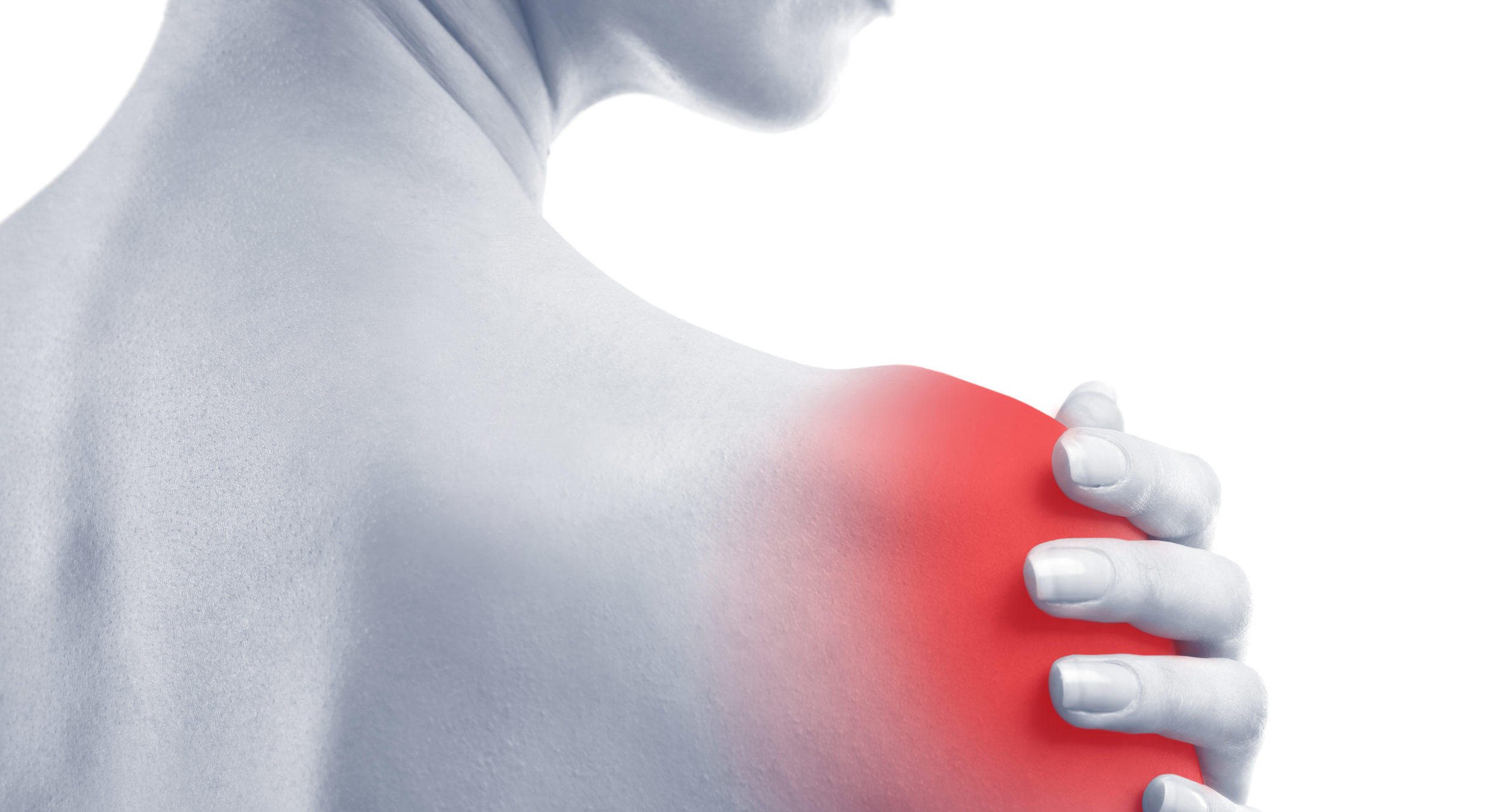
Shoulder impingement follows a recognisable script. It hurts when you reach overhead, you rest it, it settles, you go back to what you were doing, and within weeks it is back. The pattern is so consistent that patients often conclude the shoulder is simply weak.
It is rarely weakness in the way they mean. It is a space problem, and rest does not change the space.
What is being pinched
The rotator cuff tendons pass through a narrow corridor between the head of the humerus and the acromion, the bony roof of the shoulder. Raising the arm narrows it further. Impingement is the tendon and the bursa above it being compressed in that corridor.
Three things make the corridor too tight:
- The shape of the acromion. Some are flat, some curved, some hooked. A hooked acromion leaves less room.
- Swelling of the tendon or bursa. Inflammation takes up space, which causes more compression, which causes more inflammation.
- Poor control of the shoulder blade. The acromion is part of the scapula. If the scapula does not rotate properly as the arm lifts, the roof does not get out of the way.
That third factor is the one that explains the relapses.
Why it keeps coming back
Rest reduces the swelling, so the corridor opens and the pain settles. Rest does not improve scapular control, and it does not strengthen the cuff — if anything it allows both to decline. So the mechanics that caused the pinching are unchanged when load returns, and the cycle restarts.
Two other factors sustain it:
- The posterior capsule tightens in shoulders used overhead, which pushes the humeral head forward and upward in the socket.
- Compensation patterns persist after the pain goes: shrugging to lift the arm, for instance, keeps the shoulder in the position that provokes the problem.
How to tell it apart from a tear
They overlap, and they often coexist, but the distinction matters:
- Impingement is primarily painful. There is a painful arc, roughly between shoulder height and overhead, with full strength once the painful range is passed.
- A rotator cuff tear is primarily weak. Difficulty holding the arm out against resistance, or lifting a weight overhead at all, suggests torn tendon rather than pinched tendon.
Night pain occurs with both. Weakness that does not recover once the pain settles is the signal to get imaging.
How it is diagnosed
- Examination. The painful arc, plus provocative tests that compress the tendon against the acromion. Strength testing separates impingement from a tear.
- X-ray. To look at the acromion’s shape, at calcification in the tendon, and at the joint.
- Ultrasound or MRI. When a tear is suspected, or when a well-run rehabilitation programme has failed and surgery is being considered.
What actually works
Rehabilitation, done properly
This is the treatment, and the reason it fails is usually that it was never really done. A programme worth the name runs for eight to twelve weeks, is progressive, and targets:
- The rotator cuff, especially external rotation
- Scapular control — the lower trapezius and serratus anterior
- Posterior capsule mobility
- The movement patterns of whatever you do repeatedly, whether that is a serve or a shelf at work
Injections
A corticosteroid injection into the subacromial space can break the swelling–compression cycle and make rehabilitation possible. It works best as a window for therapy rather than as a treatment in itself, and repeated injections into a tendon are not harmless.
Surgery
Arthroscopic subacromial decompression — shaving the underside of the acromion to widen the corridor — is reasonable when symptoms have persisted despite a genuine programme, typically beyond three to six months, and when the examination and imaging agree on the diagnosis.
If imaging shows the tendon is torn rather than pinched, the operation is different: a rotator cuff repair, US$ 15,000 all-inclusive. The arthroscopic procedures we perform are listed on our shoulder surgery page, with every figure on our price list.
What recovery looks like
After decompression, movement starts almost immediately and most patients are using the arm normally within weeks. After a cuff repair the timeline is longer, because stitched tendon has to heal before it is loaded — a sling for about four to six weeks and a staged return to overhead activity over months.
In both cases the therapy that follows decides the outcome. An operation that widens the corridor does not teach the shoulder blade to move correctly.
Frequently asked questions
How long does shoulder impingement take to heal?
With a consistent programme, most people improve meaningfully within six to twelve weeks. Recurrence within weeks of stopping usually means the mechanics were never addressed.
Should I stop training entirely?
Rarely. Loading that provokes the painful arc is modified; pulling work, lower-body training and most pressing variations at safer angles usually continue. Complete rest tends to prolong the problem.
Can impingement cause a rotator cuff tear?
Persistent mechanical compression is one of the recognised contributors to cuff degeneration and tearing over time, which is the argument for treating it rather than living with it for years.
Is surgery a cure?
Decompression reliably relieves pain in appropriately selected patients. It does not replace rehabilitation, and it is the wrong operation if the real problem is a tear or a stiff, frozen shoulder.
What to do next
If your shoulder has been settling and relapsing for months, the question to answer is whether the tendon is pinched or torn — the treatment differs completely. Send your imaging, or simply describe what the arm can and cannot do, and a surgeon will tell you which it is and what it would take to fix — in writing, before you commit to anything.